


Soul Knight: Why This Rogue-Like Dungeon Crawler Still Rules Mobile Gaming
Mobile roguelikes frequently chase complex progression systems or aggressive monetization, but Soul Knight distinguishes itself by delivering a tightly designed, fast-paced dungeon crawler that rewards skill, adaptability, and strategic resource management. Developed by ChillyRoom, this top-down shooter drops you into procedurally generated levels where every run feels fresh, every weapon introduces new tactical possibilities, and every boss fight demands precise timing. Instead of relying on endless grinding or pay-to-win mechanics, it focuses on pure gameplay loops, meaningful meta-progression, and the satisfying thrill of overcoming seemingly impossible odds. That deliberate focus on player agency and mechanical depth explains why it continues to attract both casual mobile gamers and hardcore roguelike veterans years after its initial release.
What Sets Soul Knight Apart From Other Mobile Shooters
Most mobile action games prioritize simplified controls, energy gates, or repetitive level designs that plateau quickly. Soul Knight takes a fundamentally different approach by embracing true procedural generation and permanent death mechanics. Each dungeon layout shifts randomly, enemy placements rotate, and loot drops vary based on floor progression and difficulty modifiers. The game incorporates classic bullet-hell patterns without overwhelming players, offering clear visual telegraphs and responsive dodge mechanics that reward timing over button-mashing. Instead of handholding you through scripted encounters, it trusts you to learn through observation, experimentation, and calculated risk-taking. This commitment to organic challenge keeps every expedition feeling purposeful rather than padded.
Core Gameplay Mechanics & Progression Systems
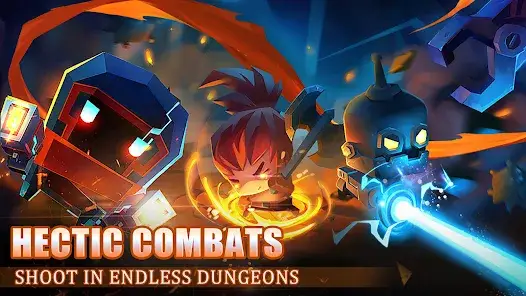
The foundation of Soul Knight rests on a clear, methodical loop that scales naturally as your mechanical skills improve. You select a hero with unique passive abilities and active skills, navigate through randomly generated chambers, defeat enemy waves, collect weapons and power-ups, and face increasingly difficult boss encounters. The weapon roster spans hundreds of options, ranging from conventional firearms to bizarre magical artifacts, each with distinct fire rates, energy costs, and synergy potentials. When a run ends, you retain earned gems and blueprints that unlock permanent upgrades, new characters, and crafting recipes. This balanced approach ensures that failure feels like a learning step rather than a punishment, maintaining long-term engagement without frustrating newcomers
Smart Strategies for Dungeon Survival
- Prioritize defensive power-ups early like shields, poison resistance, or extra health, since survivability outweighs raw damage during prolonged floor clears.
- Master the dodge roll timing by releasing it just before enemy projectiles land, as the brief invincibility frames can save you from otherwise unavoidable damage.
- Learn weapon energy costs and swap between high-damage and low-cost firearms to maintain consistent pressure without depleting your mana pool.
- Clear side rooms strategically because they often contain hidden chests, NPCs, or crafting stations that provide crucial advantages before boss encounters.
Optimizing Meta-Progression & Resource Management
Long-term success in Soul Knight revolves around converting run-based earnings into meaningful permanent upgrades. The workshop system allows you to craft weapons from blueprints, ensuring that rare drops become consistently accessible through dedicated play. The garden mechanic provides passive resource generation, supplying materials for potion brewing and equipment enhancement. The economy remains transparent, with predictable gem costs and clear upgrade paths that never rely on random chance or paywalled mechanics. Optional ad views provide temporary revives or bonus currency, but core progression stays fully accessible through standard gameplay. This straightforward structure respects player effort and ensures that strategic planning and efficient resource allocation consistently outweigh impulsive spending.

Why Soul Knight Still Holds Up in 2026
The mobile gaming landscape shifts constantly, yet Soul Knight maintains relevance through consistent optimization and community-focused development. Performance remains stable across a wide range of devices, delivering smooth frame rates even during intense bullet-hell sequences or complex multiplayer co-op sessions. Offline play is fully supported, making it ideal for commutes or low-connectivity environments where other live-service titles struggle. Regular updates introduce new characters, seasonal events, and balance tweaks that refresh the meta without altering the core dungeon-crawling philosophy. Monetization stays ethical, offering cosmetic skins and optional convenience purchases while keeping all gameplay-critical content accessible through standard progression. For players seeking a methodical, skill-driven action experience that values precision over arcade shortcuts, this title continues to deliver unmatched reliability.
Final Verdict
Soul Knight does not chase industry bloat or inflate its scope with unnecessary complexity. Instead, it perfects a focused formula: authentic dungeon mechanics, meaningful progression, and tense strategic encounters wrapped in a polished, accessible package. The game succeeds by valuing preparation over panic, resourcefulness over recklessness, and sustainable growth over quick fixes. If you appreciate experiences that challenge your reflexes while respecting your time and skill progression, this title delivers exactly that. Install it, respect your dodge windows, and remember that the most successful runs come from patience, not panic. In a crowded mobile market filled with disposable entertainment, Soul Knight stands out as a refined, enduring experience worthy of permanent placement on your device.







No Comments
Comment on