


Car Simulator 2: Why This Open-World Driving Game Still Sets the Mobile Standard
Mobile racing titles often prioritize arcade speed or competitive multiplayer, but Car Simulator 2 takes a deliberately different approach. Developed by Oleg Kuzyk, this title delivers a grounded, exploration-focused driving experience that rewards patience, precision, and spatial awareness. Instead of chasing lap times or leaderboard rankings, you step into a sprawling open world where every vehicle handles with tangible weight and every route demands mindful navigation. The game strips away unnecessary clutter and focuses on what truly matters: authentic handling, meaningful progression, and the quiet satisfaction of mastering a well-tuned machine. That deliberate design philosophy explains why it continues to attract both casual drivers and simulation enthusiasts years after its initial release.
What Makes Car Simulator 2 Stand Out in a Crowded Market
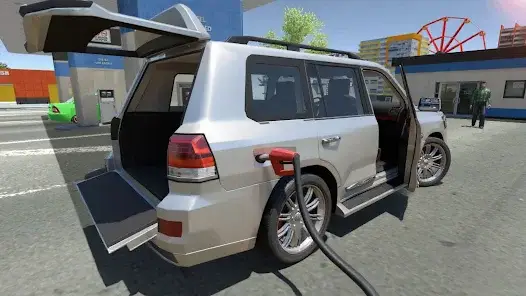
Most mobile driving games rely on simplified physics or track-based circuits that prioritize instant gratification over long-term engagement. Car Simulator 2 breaks that mold by offering a fully realized sandbox environment complete with dynamic traffic, interactive gas stations, repair shops, and realistic weather systems. The emphasis shifts from competition to immersion. You navigate winding coastal highways, maneuver through dense urban grids, and tackle unpaved mountain trails, all while managing fuel levels, tire wear, and mechanical durability. The open-world design encourages organic discovery rather than scripted progression. This freedom transforms routine drives into genuine explorations, keeping players invested without relying on artificial difficulty spikes or repetitive objectives.
Core Driving Mechanics and Realistic Handling
The foundation of Car Simulator 2 rests on a physics engine that carefully simulates suspension travel, weight transfer, and traction loss. Each vehicle class responds differently to input: heavy sedans require early braking and smooth steering adjustments, while compact hatchbacks reward aggressive cornering and quick throttle modulation. The control scheme supports both tilt and on-screen inputs, allowing players to choose their preferred method without sacrificing accuracy. Real-time dashboard feedback displays speed, RPM, fuel consumption, and gear selection, reinforcing the simulation aspect. Environmental factors like rain reduce grip on asphalt, while dirt roads demand careful momentum management. This attention to mechanical authenticity ensures that every acceleration, turn, and stop feels deliberate and rewarding.
Smart Strategies for Mastering the Open Road
- Prioritize smooth steering inputs to maintain traction during high-speed turns and avoid unnecessary tire degradation.
- Monitor fuel consumption closely and plan routes around service stations to prevent mid-journey breakdowns.
- Use engine braking on steep descents rather than relying solely on foot pedals to preserve brake temperature and stopping power.
- Adjust tire pressure and suspension stiffness based on terrain type, switching to softer setups for gravel and stiffer configurations for highways.
Tuning for Performance Over Aesthetics
Progression in Car Simulator 2 revolves around earning currency through deliveries, exploration challenges, and time trials, then reinvesting it into mechanical upgrades. The tuning system focuses on performance rather than cosmetics: upgrading gear ratios improves acceleration, enhancing brakes reduces stopping distance, and installing better tires increases cornering stability. The economy remains balanced and predictable, with clear cost-to-benefit ratios for every modification. Optional visual customizations like paint jobs and wheel designs exist but never impact handling or progression speed. This transparent structure respects player effort and ensures that skillful driving and smart financial planning always outweigh impulsive spending.

Why Car Simulator 2 Still Deserves Your Attention in 2026
The mobile gaming landscape shifts constantly, yet Car Simulator 2 maintains relevance through consistent optimization and community-focused updates. Performance remains stable across a wide range of devices, delivering smooth frame rates even during dense traffic scenarios or heavy rain sequences. Offline exploration is fully supported, making it ideal for commutes or low-connectivity environments. Monetization stays ethical, offering optional ad removal and cosmetic packs while keeping all gameplay-affecting content accessible through standard progression. Regular map expansions and vehicle additions refresh the experience without altering the core driving philosophy. For players seeking a methodical, immersive driving experience that values realism over arcade shortcuts, this title continues to deliver unmatched reliability.
Final Verdict
Car Simulator 2 does not chase fleeting trends or inflate its scope with unnecessary complexity. Instead, it perfects a focused formula: authentic handling, expansive exploration, and meaningful mechanical progression wrapped in a polished, accessible package. The game succeeds by valuing precision over chaos, planning over impulse, and sustainable growth over quick fixes. You will learn to read road conditions, manage vehicle dynamics efficiently, and appreciate how small tuning adjustments create measurable improvements in performance. It remains approachable for newcomers yet deeply rewarding for those who study its underlying systems.







No Comments
Comment on